

Interview: Laura E. Garrard
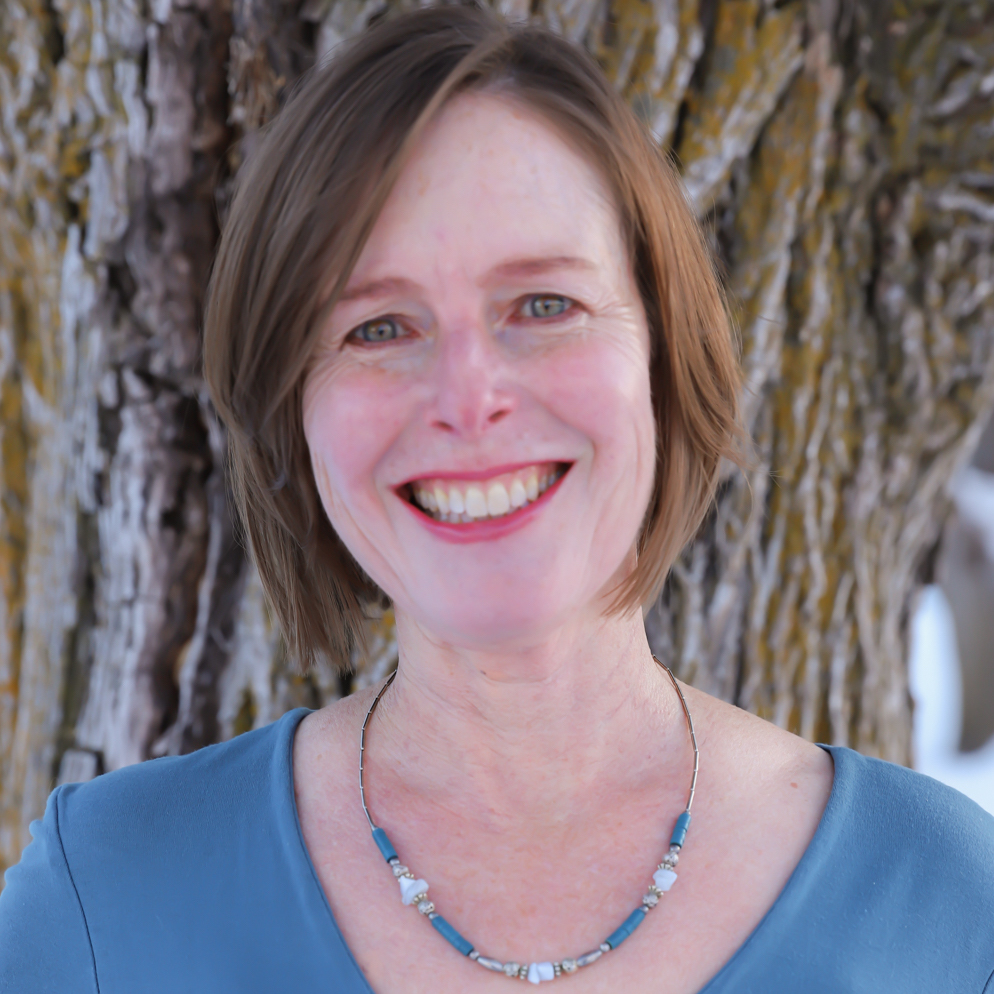
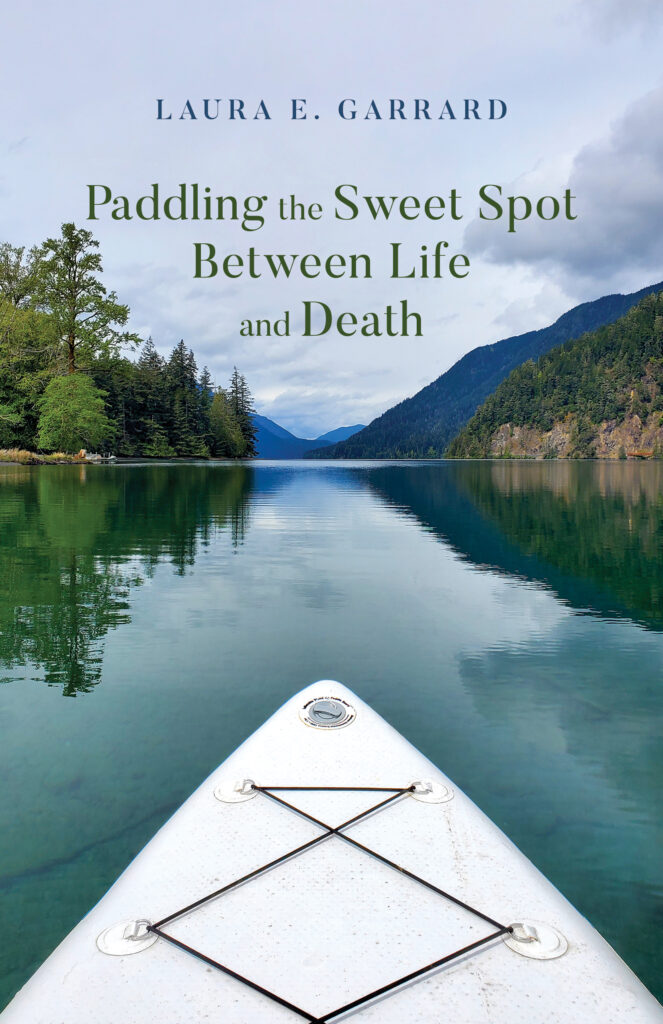
Pushcart Prize nominee Laura E. Garrard is a multiple myeloma thriver living in the Northwest. Her poem “Homage to My Radiated Hip” appears in BLR Issue 48, and is included in her debut chapbook, Paddling the Sweet Spot Between Life and Death (Finishing Line Press). Laura’s poetry has also appeared in journals including Amethyst Review, The Madrona Project, Silver Birch, Tidepools, and TulipTree Review (Merit Prize). Laura writes from Port Angeles, Washington.
Bellevue Literary Review (BLR): Congratulations on the publication of your debut chapbook. Can you tell us a bit about Paddling the Sweet Spot Between Life and Death?
Laura Garrard: This book emerged from the trauma of a blood cancer diagnosis. We are all concurrently living and dying, and within my poems, I seek balance between dealing with a serious health issue and truly living. My title poem, “Paddling the Sweet Spot,” describes this tenuous space. It’s a short poem, so I’ll quote it:
“Starting with deep powerful strokes
Direct your paddleboard on a diagonal
In between the edges of waves,
The sweet spot not easy to maintain.
When you’ve found that rhythm
A meditative state claims you.
You glide faster with ease,
Meld into the narrow exception
Of movement against the current,
Making headway until you notice
You’re in the sweet spot,
Veer slightly, then lose it.”
Through imagery and verse, my book seeks to “embalm” internal observations of my experiences with cancer. Also, it captures emotions not often expressed to others, and stands up for me as a patient. As my acceptance of my situation (possibly a shortened life) grows in the book, the poems’ voice softens and incorporates a present-mindedness philosophy, oftentimes found when spending time in Nature. Overall, it poses a frontal and realistic focus on dealing with illness while, hopefully, validating others and inspiring trust and positivity in their processes.
BLR: Your poem “Homage to My Radiated Hip” (from BLR Issue 48) begins: “I am finally kind to my broken body…” The word “finally” speaks volumes in that phrase. You’ve been candid about your own healthcare journey, but I wonder how telling that story through poetry is different. Does the form allow you more freedom?
LG: Yes, I found capturing moments through poetry, rather than summarizing the entire cancer experience, to be therapeutic rather than draining. Writing a poem is much like creating a piece of art. You utilize a manageable container, dimensions, in which to express a feeling or happening. When an observation becomes imagery, rhythm, music, and verse, it transmutes into something ephemeral rather than held within the body. This produces freedom and healing on different levels. The “juice” expressed may still be sad, let’s say, but now what has happened becomes art, which can be crafted into a concise creation over time. My first draft of “Homage to My Radiated Hip” came quickly. However, I then edited it over months. This poem reminded me to remain loving toward my body’s injury, pain, and limits. I guess you could say that the poem itself brought me to “finally.”
BLR: How do you select an idea/topic to write about?
LG: Most often, the topic of the poem selects me, and an idea emerges from natural world stimulus. Walking through the woods frees my mind. I enter the realm of noticing. Therefore, I often write about Nature or how I feel in relationship to thoughts that arise. Nature serves as a teacher and instigates connections between thoughts. Sometimes, ideas come from dreams or experiences, as with my health-related poems. Important moments or observations, and my responses to them, begin to form words in my mind.
“When an observation becomes imagery, rhythm, music, and verse, it transmutes into something ephemeral rather than held within the body. This produces freedom and healing on different levels.”
– Laura E. Garrard
BLR: What’s your biggest challenge in writing? How do you overcome it?
LG: My largest challenge is striking balance between creativity and awkward language. Creativity captures attention and causes readers to linger on the poem’s message, imagery, or question. Creative language assists readers to realize something new in the ordinary. However, sometimes fresh moments interrupt the flow. If I get hung up, most likely readers will too. If there doesn’t seem to be a way to fix a sticky spot, perhaps the line or word needs to be cut.
BLR: How has writing helped you heal? Can writing heal?
LG: Traumatic situations have arisen during cancer diagnosis and treatment, such as changes in my body, loss of vocation, facing the possibility of an earlier death than expected, loss of freedoms I once took for granted, and overarching shifts in my identity—all of which have led toward a new level of experienced humility, an emptying. Writing has assisted my mental-emotional self as I expressed my feelings and thoughts, and, in turn, it has reduced my stress. Stress has a great effect on the body’s ability to heal. Writing has encouraged mental fortitude to keep my sense of self afloat and has provided touchstones and hope for healing.
BLR: What’s the best/worst writing advice you’ve received?
LG: Two of my poetry mentors, Gary Copeland Lilley and Tess Gallagher, have advised me to write past the end of the poem: “Get everything down first, and let the poem take you where it wants to go.” Secondly, they have said, “Don’t begin a poem with an end in mind.” You can always edit, or perhaps the poem becomes more than one poem or has multiple parts. Plus, an unexpected resolution may occur. The poem can be the writer’s teacher. And finally, Tess has advised that a soft ending is oftentimes more memorable than a definitive one. She has said the ending should linger in the reader’s mind, generate more thought or questions.
BLR: Desert island reads: If you could take three things to read on your desert island, what would they be? (books, poems, stories, essays, diaries, all scribblings welcome!)
LG: I always answer this question as a pragmatist:
- A thick journal in which to write, draw, map my surroundings, take records, and compose contemplative prayers and poems. Perhaps I could write short stories, plays, or novels in very small print.
- A study Bible, for its tome of stories, critical questions, songs, letters, and living parables. I could analyze its ancient texts for some time.
- The Complete Poems of Emily Dickinson. I own it and have a long way yet to read. She wrote many moving poems about subjects I appreciate and miles of creative lines over which to ponder.