

Interview: Angela Tang-Tan
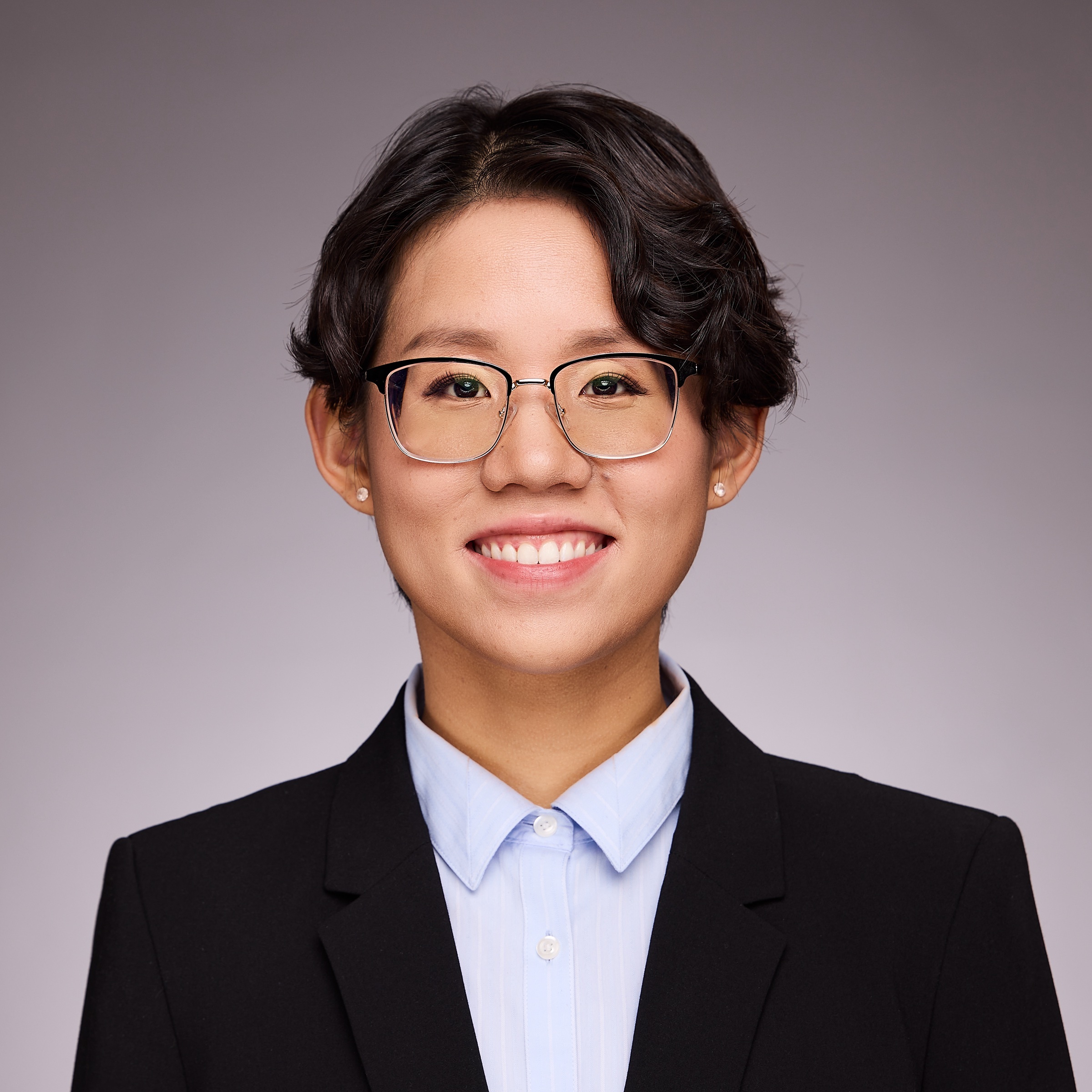
Pushcart Prize winner Angela Tang-Tan is a neurosurgery resident physician at Oregon Health and Science University. She studied neurobiology and psychology at UC Berkeley and received her MD from the Keck School of Medicine of USC. Dr. Tang-Tan served as an ambulance EMT during the COVID-19 pandemic. Her Pushcart Prize-winning essay “Two Thoracotomies” appears in BLR Issue 49, our theme issue on “Animalia.”
Bellevue Literary Review (BLR): Congratulations on your Pushcart Prize win for “Two Thoracotomies.” Can you share a little about the essay and how the idea to share these experiences in a parallel way came about?
Angela Tang-Tan (AT): As I was standing in the bloodstained trauma bay during the night I tried to convey in “Two Thoracotomies,” I already knew that one day, I would write about it. There was no other option. I could not hold that night within myself forever. I knew that, in time, the story would force its way out of me.
It took more than a year for me to sit down and actually write about it. During that year, I circled around the idea but couldn’t quite grasp how to make meaning of a stranger’s random, gruesome death. It was only when I happened across Bellevue Literary Review’s “Animalia” theme that a narrative began to come together in my head.
What if I could draw a parallel between the thoracotomies that we performed on experimental mice in my laboratory, and the trauma thoracotomy that made such a lasting impression on me in the Emergency Department? In both cases, we cut skin and cracked bone with the sense that there was something to be gained from the violence we were inflicting. I think that is ultimately what this essay is about: our impulse to find meaning in suffering, and the possibility that sometimes there is none.
BLR: How do you regard the narrator—your earlier self—from your current position in medical training?
AT: It’s surprising how things that were once world-shattering can become routine. Throughout the rest of medical school and the start of residency, as I moved through the operating room, the Emergency Department, and the ICU, I’ve been in many situations that were just as grotesque as witnessing an open thoracotomy. My heart no longer beats faster when I’m called down to the Emergency Department for a trauma activation. My hands don’t shake anymore when I stitch and tie, and I am only beginning a seven-year residency. I imagine the person I will become—a surgeon unfazed by anything.
Still, I miss those first moments of medical training, when I looked upon surgery with wonder tinged with terror. When I was a medical student, one patient’s suffering was enough to consume me. As a resident doctor, I can no longer let that happen, not without risking the safety of other patients. Looking back, I miss the times when I had the luxury of feeling everything keenly.
“As I was standing in the bloodstained trauma bay during the night I tried to convey in ‘Two Thoracotomies,’ I already knew that one day, I would write about it. There was no other option. I could not hold that night within myself forever. I knew that, in time, the story would force its way out of me.”
– Angela Tang-Tan
BLR: Can you tell us about the editing experience? What was it like to have other writers (editors) get deep into the literary weeds with you?
AT: “Two Thoracotomies” was my first experience with working with editors, and I am deeply grateful for it. I am still surprised and honored that Dr. Danielle Ofri and Alanna Weissman saw the raw potential in my essay and were willing to invest so much time and thought into helping me bring it into its final form. The version I first submitted was a very different piece than what was ultimately published. The editing experience was long, and at times, challenging—there were several rounds of back and forth, and at times I admit that I wondered if I should just give up and delete the essay off my laptop.
However, at the end of the road, I feel incredibly lucky for the opportunity to undertake this journey with my editors, and I am proud of what we created together. They brought enormous care and patience to the process, and I learned so much about the craft of writing from having experienced writers and editors think through the piece with me.
BLR: Which writers do you look to for inspiration?
AT: Without question, Jhumpa Lahiri. She stands apart to me because she played a role in my introduction to the field of narrative medicine—we read one of her short stories in the collection Unaccustomed Earth during a narrative medicine elective course I took during my third year of medical school. I was so struck by the elegance of her writing that I promptly bought and read everything she has ever published. One day, I hope to emulate how she weaves stories that highlight the poignant and profound moments of everyday life. I cannot recommend her writing strongly enough.
BLR: Do you have any advice for those in healthcare who want to begin writing?
AT: I wish I had writing advice, but if anything, I am in need of it myself! I wrote “Two Thoracotomies” while in medical school, during a year in which I was in the lab conducting research full time and was able to dictate my own schedule. Then I started neurosurgery residency this summer, and any semblance of a life that I had outside of the hospital promptly disappeared. I haven’t given a thought to writing for the last few months. Most days, as soon as I get off work, I go to bed immediately. The relentless work of practicing medicine consumes the time and space necessary for creativity to flourish. Now, trying to write something other than a clinical note feels like standing after weeks of being bedbound: those muscles have atrophied.
All I can say is, I hope that it will get easier, and that I will be able to return to writing in another, softer season. I wish the same for those who want to write but also feel overwhelmed.